
There are several property types to consider in real estate investing, and each comes with its own advantages and disadvantages. Single-family homes, for instance, are ideal for families seeking privacy, while rental units are preferred by young professionals who need space for one.
It's important to consider whether you can sustain an investment property after you purchase it, and if it aligns with your long-term goals. One opportunity you might want to look into is investing in a duplex. First, you need to learn about what it is and what it can be for you as a real estate investor.
Key Highlights:
- Two income streams in one property: A duplex allows Nashville landlords to collect rent from two units, improving cash flow and reducing vacancy risk.
- House hacking potential: Owners can live in one unit and rent out the other to offset mortgage costs and build equity faster.
- Flexible financing options: Duplexes often qualify for residential loans, including FHA (if owner-occupied), making them more accessible than larger multifamily properties.
- Higher costs and responsibilities: Maintenance, tenant management, and potential disputes increase with two units under one roof.
- Balanced investment option: A duplex offers stronger income potential than a single-family home without the complexity of large multifamily properties.
What Is a Duplex?
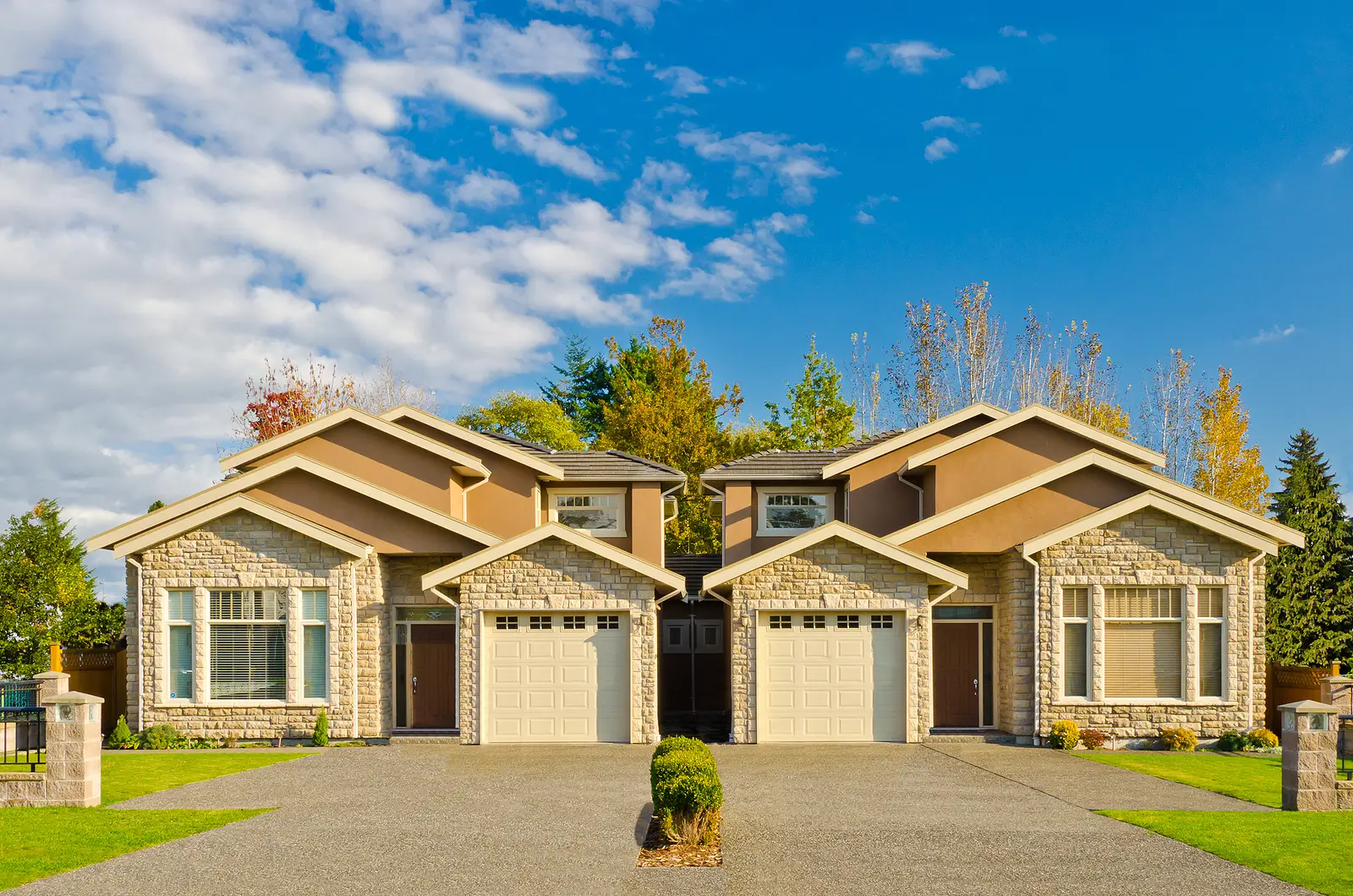
A duplex is a residential building that has two separate units. Many real estate investors looking for low-down-payment investments with higher rental income potential consider buying a duplex because it is essentially two separate single-family homes in one building. That's already twice the monthly rent you can earn.
Each unit has its own entrance, and most will also have its own kitchen and bathroom. The two units will be separated by a wall or floor, since the structure can be arranged side by side or stacked on top of each other.
Single-Family Property vs. Duplex vs. Multifamily Property
- Single-Family Homes: A standalone residential property designed for one household, typically offering more indoor and outdoor space. The rental income potential is bigger, but so is the risk of negative cash flow upon vacancy.
- Duplex: A duplex is a property divided into two separate living units under one roof, each with its own entrance and amenities. You can earn rental income from one unit and live in the other, which can be ideal for first-time homebuyers looking to build equity fast.
- Multifamily Property: An investment property with up to four units, sharing one main entrance and certain amenities. These usually come in the form of triplexes, fourplexes, and apartment buildings. Your monthly income is higher, but your landlord responsibilities are also multiplied.
Pros and Cons of Investing in a Duplex
Before you become a duplex owner, you must consider whether the advantages will work in your favor and if you have a high enough risk tolerance for potential drawbacks.
Pros:
- You will have two income streams. By collecting rent payments from more than one unit, you can cover expenses better, such as monthly mortgage payments and maintenance costs.
- There is a lower vacancy risk. Owning a duplex means you basically have two rental properties. Even if one unit is vacant, you can still collect monthly rent from the other unit to stabilize your cash flow.
- It's a house hack opportunity. As you live in one unit and rent out the other, you can earn rental income and reduce your own housing costs. Depending on the lease agreements, your tenant will share some of the utility costs and still earn a steady income from rent payments.
- Duplexes are easier to finance. You will have more financing options since they require a lower down payment than other multi-unit properties. You can even qualify for an FHA loan if you live in one of the units and rent the other.
- You can still get tax deductions. Even if you only rent out the second unit, you can still deduct mortgage interest, property taxes, insurance, HOA fees, maintenance costs, and other expenses related to the rental property.
Cons:
- Tenant disputes can happen. Even if the living spaces are separate, it still shares a common wall. That means noise complaints and other tenant concerns among neighbors can still happen. If you live in one unit, it will be you who experiences these issues.
- Maintenance costs will be higher. Since your real estate investment has two units, you will have more maintenance issues to address, which can make property management harder.
- It requires a larger initial investment. If your original plan was to purchase a single-family home, then you'll find that it can be more expensive to own a duplex.
- Living in the same building can limit your monthly rental income. Since there are only two units, you will immediately lose 50% of your income if you decide to use one as your primary residence. If you don't, you'll lose financing options like FHA loans and VA loans, and will have to explore other choices like conventional loans.
Property Management for Duplexes
Being the landlord of a duplex tends to be fairly simple, especially if you're a first-time buyer who intends to build your real estate portfolio. However, your share of responsibilities can depend on whether you live in one unit and rent out half of your investment property, or use both units as sources of income.
The key factors are the same in both scenarios. You still need to conduct regular maintenance to preserve and increase your property value, and oversee rent collection to build wealth and cover expenses for your investment property. The tax benefits change, and it can be more significant if you decide to rent out both units. Either way, you need to do your due diligence to make the most out of the property.
Duplex FAQs
Is a duplex a good investment in Nashville?
- It can be, especially for landlords looking to balance cash flow and manageable risk. With strong rental demand in Nashville, duplexes can provide steady income while offering lower vacancy risk than single-family homes.
Can I live in one unit and rent out the other?
- Yes. This strategy, often called house hacking, allows you to offset your mortgage and housing expenses while building equity.
What are the biggest risks of owning a duplex?
- Common challenges include higher maintenance costs, managing multiple tenants, and potential disputes due to shared walls.
Hiring a Property Manager for Your Rental Property
While it can be easy for a landlord to manage a duplex, that's not the only factor you need to consider if you want to build long-term wealth. Expert property management will not only help you reach your goals faster, but it also gives you more time on your hands.
With Green Tree Property Management, you can earn passive income and explore other opportunities. You won't have to worry about maintenance duties, local regulations, rent collection, or other duties that come with buying a duplex.
Schedule a free consultation, and let's talk about how professional property management fits into your investment goals.