
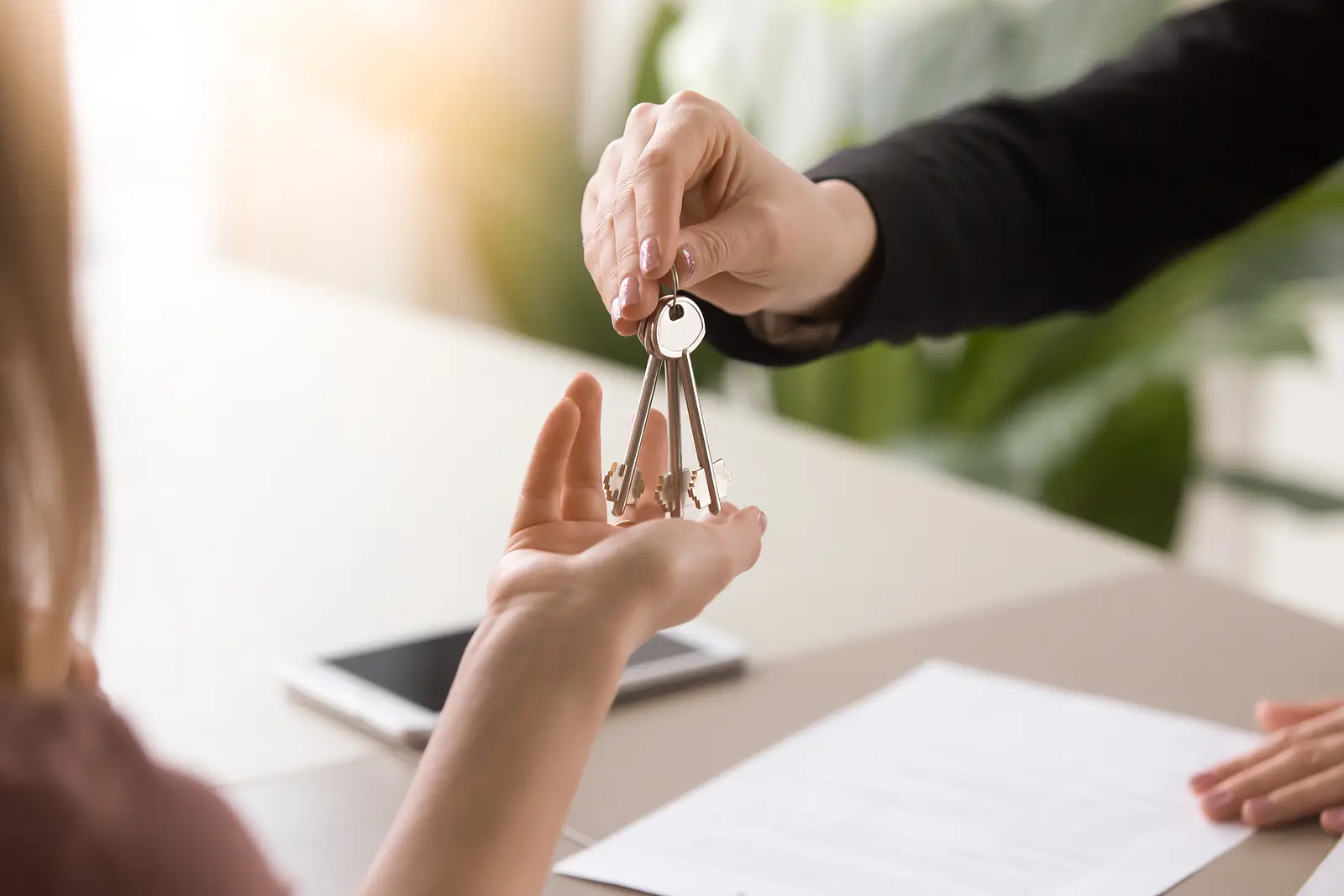
Did you know that the residential leasing process typically lasts around 2 to 4 weeks? That's up to a month of income you don't get, more if it takes longer. Streamlining this step of the rental process is not just about convenience, but also profit.
As a property owner, it's your job to ensure it goes as smoothly as possible, and you can do that by adopting a few tips and tricks of the trade that seasoned landlords already use. Here's how you can shorten the leasing process:
Key Highlights:
- Streamlining the leasing process reduces vacancy and lost income. Shortening the typical 2–4-week leasing timeline helps landlords secure tenants faster and maintain consistent cash flow.
- A standardized workflow improves efficiency and consistency. Following a clear step-by-step process—from inquiry to move-in—prevents delays, missed steps, and confusion.
- Digital tools speed up applications and lease signing. Online applications and e-signatures eliminate paperwork bottlenecks and allow faster processing of qualified tenants.
- Pre-screening and virtual tours save time and attract serious applicants. Filtering tenants early and offering virtual walkthroughs reduces unnecessary showings and accelerates decision-making.
- Preparation and smart communication enhance leasing success. Ready-to-use lease templates, organized communication channels, and move-in-ready units help close deals faster and improve tenant experience.
1. Standardize Your Leasing Process
You can establish a repeatable process from inquiries through move-in. Once you get used to the flow, you can avoid confusion, missed steps, and delays. This can be significantly helpful when you have multiple rental units.
The steps are usually as follows:
Inquiry → Showing → Application → Tenant Screening → Approval → Lease signing → Move-in
When you hire a property manager, they will already have a system to follow, but you can still add certain steps to ensure that you get the kind of tenants you're looking for.
2. Offer Online Applications or Electronic Lease Signing
Part of the delays in the leasing process is due to paperwork bottlenecks caused by the need to sign the lease agreement in person. Offering digital application forms allows potential tenants to opt for e-signatures and upload the required documents.
You can use property management software, an application portal, or other available tools, which often come with lease management features as well. When landlords save time on signing, they can allot more to more complex aspects of the leasing process, like tenant screening.
3. Pre-Screen Your Tenants
This may seem like an extra step that will take more time, but pre-screening prospective tenants can narrow your applicant pool. Ask basic qualifying questions up front, such as their income, move-in date, pets, and other details that might disqualify them.
By adding this step, you can save time by skipping unnecessary tours and in-depth interviews. Instead, focus on qualified leads to maximize your time and reduce vacancies faster.
4. Create Virtual Tours
Your earliest home showings might not align with a prospective tenant's schedule, resulting in delays and additional effort. By creating virtual tours or video walkthroughs, applicants opt for self-showings instead to get a feel of the rental property.
This can effectively cut a week off the application process. Self-guided tours are becoming increasingly popular now, with various social media platforms that real estate investors can use. Instagram, Facebook, and YouTube are often the best channels to post video walkthroughs.
5. Prepare Lease Agreements in Advance
You can begin drafting the lease agreement that outlines the basics, like lease terms, rent amount, maintenance request procedures, rent payment dates, late fees, security deposit, and more. You can customize key details for each tenant as needed, eliminating the need to write from scratch each time.
Furthermore, preparing in advance enables you to check whether your terms comply with local or state laws, reducing legal risks. Be sure to stay up to date on laws so you can make the necessary changes to your templates.
6. Set Up Communication Channels
You might already have communication channels for maintenance issues or concerns with your existing tenants, but a separate platform for inquiries from potential renters may work better for you. You can prioritize questions to resolve them quickly, reducing vacancy rates.
It contributes to more organized property management and allows you to set priorities. Inquiries can keep your lines busy, and current tenants won't be able to contact you. That's best avoided if you want to improve tenant satisfaction.
7. Keep Your Vacant Properties Ready
Make sure that your rental unit is ready for move-in as soon as the lease agreement is signed. This can be achieved through regular property upkeep, or handling cleaning, repairs, and upgrades at least a week before potential tenants move in.
It is more efficient, and you can focus on your tenants' unique needs once you get the standard tasks out of the way. It can make all the difference when landlords plan to make a good first impression.
8. Check Market Trends
Finding quality tenants would be a lot easier if you knew how to attract them, which you can learn by doing market research. For instance, your target market might be more active on social media platforms like Facebook rather than on rental listing sites.
It's also important to check your property's visibility performance to make crucial changes and better decisions. Many online tools and platforms already come with dashboards that allow you to review key performance indicators (KPIs).
Rental Leasing Process FAQs
How long does the leasing process usually take?
- The residential leasing process typically takes about 2 to 4 weeks. However, delays in applications, showings, or paperwork can extend this timeline if not managed efficiently.
How can landlords shorten the leasing process?
- Landlords can streamline leasing by standardizing their workflow, using online applications, pre-screening tenants, offering virtual tours, and preparing lease documents in advance.
What is the benefit of using online applications and e-signatures?
- Digital tools eliminate paperwork delays, allow faster submission of requirements, and enable tenants to sign leases remotely, speeding up the entire process.
How a Property Manager Can Help
Parts of the rental process, like marketing, tenant screening, and lease signing, require expertise to ensure efficiency and legal compliance. Property managers like Green Tree Property Management go beyond the essentials to ensure that your rental business doesn't just find renters, but gets the RIGHT tenants for your investment property.
The sooner you find renters, the faster you can generate revenue for future growth. Our ultimate goal for your business is consistent cash flow and long-term profit growth. Let us help you build trust among your renters and improve the landlord-tenant experience.
Contact us to determine whether we're the right fit for your investment plans.
More Resources:
How to Handle Tenant Abandonment in Tennessee Rentals
Tenant Turnover Process Tips to Get Your Rental Unit Ready to Rent